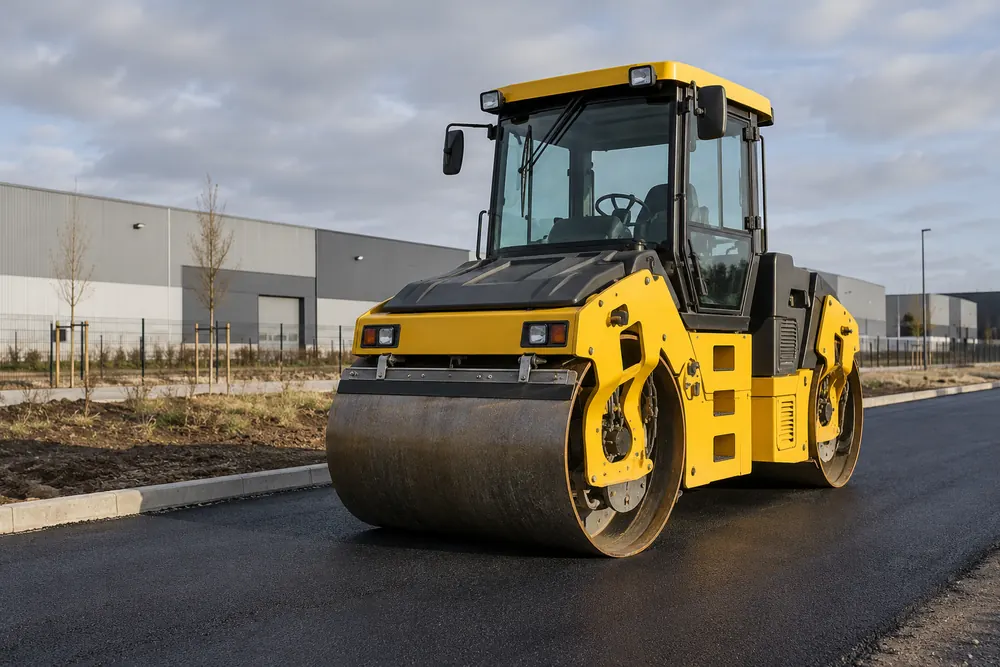
Compaction For Commercial Groundworks
Compaction helps prepare the material beneath a finished road, path or yard surface. We take enquiries from Manchester civil engineering contractors, surfacing teams and commercial maintenance buyers. Describe the construction layers and the project specification before choosing between a ride-on roller, pedestrian roller or smaller compaction tool.
Different materials and working spaces need different equipment. A large open area can allow a roller to work systematically, while trenches, corners and service details may call for another method. The aim is to meet the job specification without damaging adjacent work or creating an unsafe operating position.
Tell us whether you are compacting granular sub-base or working on a surfacing operation. Include the material supplier’s requirements and any testing or acceptance criteria set by the designer. Hire equipment should support the specified method, rather than becoming a substitute for one.
Choosing A Roller Or Plate
For a roller enquiry, include the available width, work area and material being compacted. Drum width, operating weight and vibration characteristics can affect suitability. Ask for the exact proposed model information before accepting a machine for a specification that sets particular equipment requirements.
A compaction plate may be worth discussing for smaller accessible areas, but it should not be assumed to provide the same result as a roller. Trench work and confined areas also need attention to exhaust exposure and the operator’s position. Tell us if the work is indoors or close to occupied buildings.
Consider edges and structures as part of selection. Covers, underground services, retaining features and recently installed drainage may place restrictions on load or vibration. Refer uncertainties to the project’s responsible person before booking or beginning the compaction operation.
Material Preparation And Working Sequence
Good preparation starts before the hired machine arrives. Confirm that the excavation or formation is ready, drainage work has reached the correct stage and the specified material is available. An unresolved soft area should be assessed rather than hidden beneath another layer and rolled.
Layer depth, moisture condition and the planned compaction method need to follow the relevant project requirements. Avoid relying on a fixed number of passes copied from another job. If the specification requires testing, agree who will carry it out and when results will be needed before covering the layer.
Coordinate the roller with deliveries and other plant. A dumper delivering aggregate and a roller compacting the same narrow area can conflict without a clear sequence. Our dumper hire information can help you plan the supporting movement of material.
Vibration, Noise And Safe Operation
The Provision and Use of Work Equipment Regulations 1998, or PUWER, apply to compaction equipment used at work. Confirm suitability, operator competence and the information needed for the exact machine. Read HSE’s PUWER guidance when agreeing the handover and inspection arrangements.
The Control of Vibration at Work Regulations 2005 are relevant when assessing exposure from vibrating equipment. The assessment differs between hand-held or pedestrian equipment and seated ride-on use. Ask for the manufacturer’s information and use the appropriate HSE guidance rather than treating all compaction equipment as the same exposure.
Noise also needs assessment under the Control of Noise at Work Regulations 2005. Consider nearby workers as well as the operator, particularly where a yard or loading bay remains active. Programme the work with suitable separation and follow the machine instructions for protective measures.
The operating route must remain stable and clear, with appropriate control around gradients and edges. Do not assume a roller can safely work on any slope because it has already travelled across the surface. Follow the limits and instructions for the model supplied.
Arrange Hire Around The Prepared Area
Send the site postcode, dates, material details and size of the work area. Include access measurements, delivery restrictions and any limits on noise or vibration. If the designer specifies a roller class, make that requirement explicit in the enquiry and review the offered model against it.
The cost depends on roller type, duration, transport and the terms for fuel and cleaning. Ask about VAT, damage responsibility, permitted hours and the process for extending hire if the surface is not ready. Confirm availability before bringing in materials or scheduling an interdependent crew.
At delivery, check the machine condition, controls and operating information with the person receiving it. Understand the daily checks and safe shutdown arrangements before work starts. If the equipment develops a fault, stop using it where safe operation may be affected and contact the supplier.
Once the work is finished, follow the agreed cleaning and off-hire process and keep the confirmation. Provide a suitable position for the transporter to collect the machine. For a wider groundworks package, send the full list through our Manchester equipment hire quote form or review the plant hire guide.
Your Hire Checklist
- Share the material, layer specification and available working width.
- Check the proposed roller against the project requirements.
- Prepare the work area and coordinate deliveries and other plant.
- Complete handover checks and record off-hire after the work.
Compaction Roller Hire FAQs
Is A Roller Better Than A Compaction Plate?
Compaction roller hire and plate hire suit different materials, spaces and project requirements. A roller may suit larger open areas, while a plate may be considered around smaller details. Neither should be selected from area alone. Include the layer specification, access and any testing requirements so a suitable equipment proposal can be assessed.
How Many Roller Passes Will My Site Need?
Roller passes depend on the material, layer thickness, moisture condition, equipment and specified result. A hire booking cannot establish a universal number of passes. Follow the project method and testing requirements, and ask the designer or responsible contractor to resolve uncertainty before work proceeds or another construction layer covers the compacted material.